History of the Calendar: Why January 1st Became the Start of the New Year
We explore the historical origins of the January 1st date and the evolution of New Year celebrations from ancient civilizations to modern times.
 🧠AI Analysis
Photo: TSN
Key points
- January 1st became the start of the year due to Julius Caesar's reform
- The month of January is named after the god Janus
- The Gregorian calendar unified celebrations in 1582
From Ancient Rites to the Gregorian Calendar
The tradition of celebrating the beginning of the new year on January 1st is not a fixed constant, as for millennia humanity chose different dates, focusing on natural cycles, agricultural seasons, or religious events. Ancient Babylonians linked this holiday to the spring equinox, while the Egyptians tied it to the flooding of the Nile, which was critical for their civilization's survival.
The modern date was solidified thanks to the reforms of Julius Caesar, who introduced the Julian calendar in 46 BC. The name of the first month of the year comes from the Roman god Janus, who symbolized transitions and looked simultaneously into the past and the future.
Evolution and Cultural Features
- Medieval Diversity: Before the introduction of the Gregorian calendar in 1582, European countries celebrated the New Year on different days, including Christmas or the Annunciation.
- Global Traditions: Different nations have unique customs, such as eating grapes in Spain for good luck or ringing bells 108 times in Japan to cleanse oneself of passions.
Today, the Gregorian calendar is the standard for most states, making January 1st a universal starting point for global society, despite the existence of alternative counting systems, such as the Chinese or Hebrew calendars.
Source TSN — tsn.ua/tsikavinki/koly-sviatkuiut-novyy-rik-chomu-data-prypadaye-na-1-s… ↗
Read next
 🛡️Security
Strike on Dymer: Death Toll Rises to 11 as Search Operations Continue
A Russian drone strike on a residential building in the Kyiv region has killed 11 people, with two others still missing.
 ⚽Sport
Oleksandr Usyk changes sport in London and challenges NBA legend to the ring
Ukrainian boxer Oleksandr Usyk participated in a charity basketball match in London, sharing the court with NBA legend Scottie Pippen. Following the game, the Ukrainian c…
 🏛️Politics
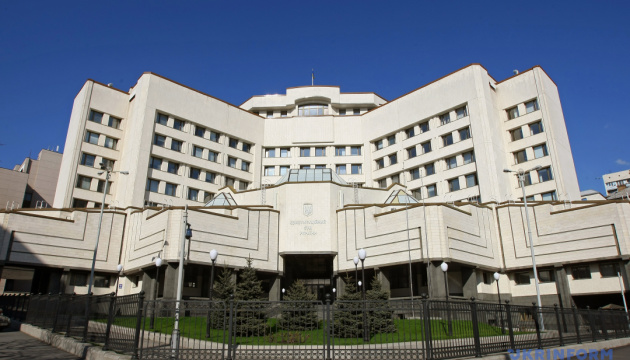
Constitutional Court of Ukraine on the Brink of Losing Quorum as Judge Count Falls to 12
The Constitutional Court of Ukraine is facing a critical quorum shortage with only 12 active judges remaining, while the Second Senate has suspended the review of citizen…
 🏛️Politics
US Elections and Ukraine: What to Expect from the New Congress
Democratic control over both chambers of the US Congress sets the stage for renewed legislative engagement in foreign policy.
 🚌Transport
Ukraine's Energy Grid Under Fire: Poltava Region Among Areas Facing Power Cuts
Over the past week, Ukraine's energy infrastructure faced a hundred hostile attacks, causing partial power outages including in the Poltava region.
 🏙️City
New Head Elected at Myrhorod District Court in Poltava Region
Judges of the Myrhorod City and District Court in Poltava Oblast have elected a new chairperson. Judge Oleksandr Horodivskyi will lead the institution for a three-year te…