Climate Change: Lightning strikes could double by 2100
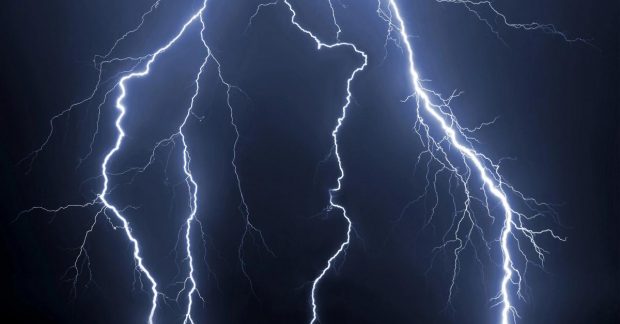
Scientists predict a significant increase in the frequency of lightning strikes due to global warming, posing new risks to infrastructure and forests.
 🧠AI Analysis
Photo: UNIAN
Key points
- Forecast of 76–140% increase in lightning strikes by 2100.
- Each degree of warming adds about 30% to discharge intensity.
- The greatest changes are expected in high latitudes.
- Ground strikes threaten energy infrastructure and forests.
Global warming as a catalyst for atmospheric discharges
An international team of researchers led by Andreas Krause from the Technical University of Munich has published findings suggesting that the number of lightning strikes reaching the Earth's surface could increase by 76–140% by the end of the 21st century. Using machine learning models, scientists have established a direct correlation between greenhouse gas emissions and the intensity of atmospheric electrical activity.
Calculations indicate that each degree of global warming could add approximately 30% to the frequency of lightning strikes. Regions at high latitudes, such as Alaska, are expected to be the most vulnerable to these changes, as the frequency of discharges is projected to increase significantly in areas where such phenomena were previously rare.
Consequences for infrastructure and safety
The rise in ground-level lightning strikes presents a series of serious challenges. Beyond the direct threat to human life, these events trigger large-scale forest fires and damage critical energy infrastructure, including power lines and wind turbines. Scientists emphasize that the danger depends not only on the number of discharges but also on the timing of their occurrence, particularly during the initial stages of a thunderstorm when people may not have time to react to the threat.
Source UNIAN — unian.ua/science/do-2100-roku-bliskavki-bitimut-udvichi-chastishe-y… ↗
Read next
 🛡️Security
Night attack on Odesa: residential building damaged, casualties reported
Russian forces launched a drone strike on Odesa on the night of November 29, hitting a residential high-rise. Emergency services and an operational headquarters are provi…
 🛡️Security
Night attack on Odesa: residential building damaged, casualties reported
Russian forces struck Odesa on the night of November 29, damaging a high-rise residential building. Emergency services and an operational assistance headquarters are work…
 🛡️Security
Nighttime UAV Attack on Odesa: Residential Building Damaged
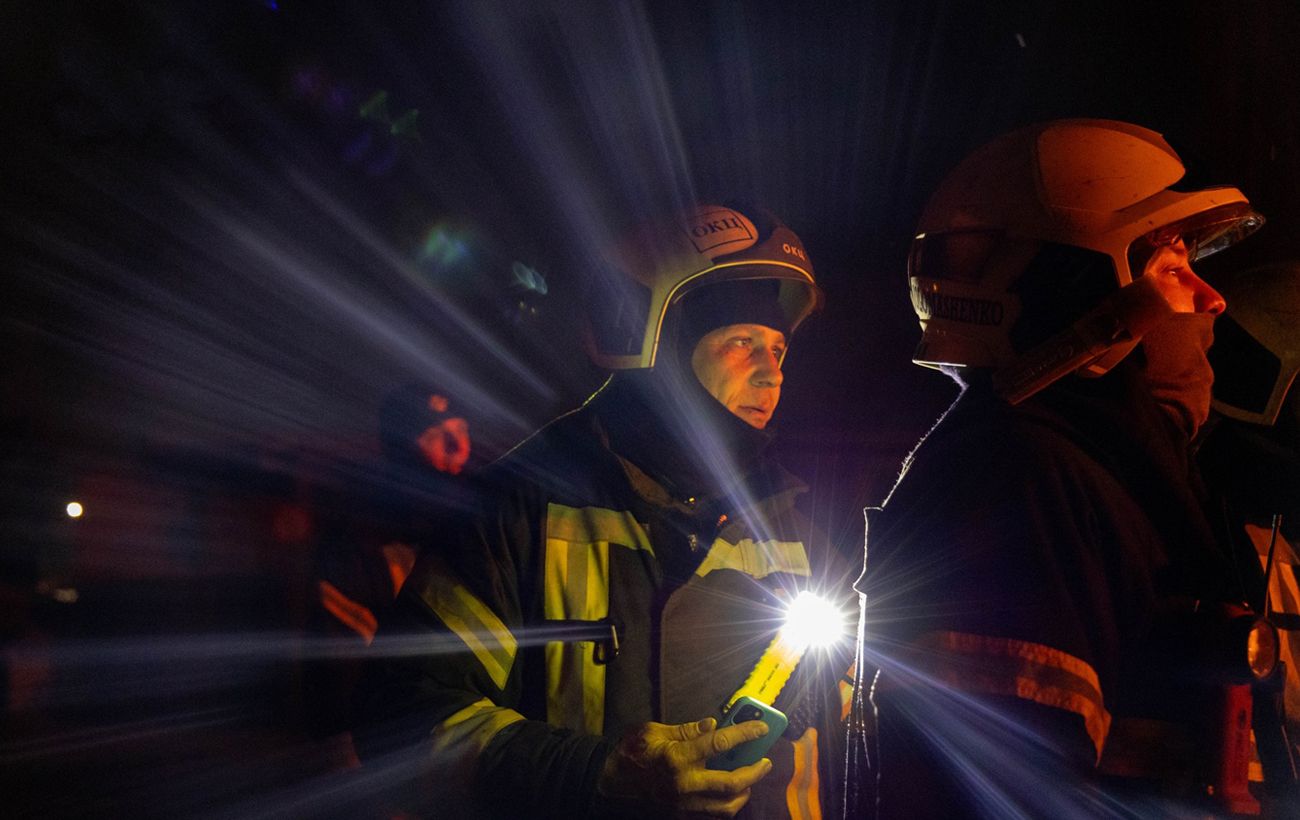
On the night of November 29, Russian forces launched a drone attack on Odesa. The strike resulted in damage to a residential building.
 🛡️Security
Andriy Biletskyi: Freezing the war is only possible after Russia realizes its goals are unattainable
Brigadier General Andriy Biletskyi stated that withdrawing from unoccupied parts of Donbas is unacceptable, and negotiations are only possible after shifting the situatio…
 🇺🇦Ukraine
Political Crisis in Israel: Benjamin Netanyahu Proposes Power-Sharing Deal to Gadi Eisenkot
Israeli Prime Minister Benjamin Netanyahu has offered his rival Gadi Eisenkot a power-sharing agreement, suggesting a rotational prime ministership to resolve the current…
 🛡️Security
Russian forces kill the last resident of Tiahynka in Kherson region
Russian troops have killed the last remaining civilian resident in the village of Tiahynka, Kherson region.