New Supply Standards: How Military Nutrition is Organized and What Changes Have Been Implemented
The Ministry of Defense and state agencies are upgrading the food supply system for Ukrainian military personnel by introducing digital tools and expanded rations.
 🚨Events
Photo: RBC-Ukraine
Key points
- Food procurement for the army is managed by the DOT Procurement Agency.
- Document flow has been digitized via the DOT-Chain Food platform.
- The food catalog contains 360 items, including halal, kosher, and vegetarian options.
- New alternative dry rations with self-heaters have been introduced for frontline troops.
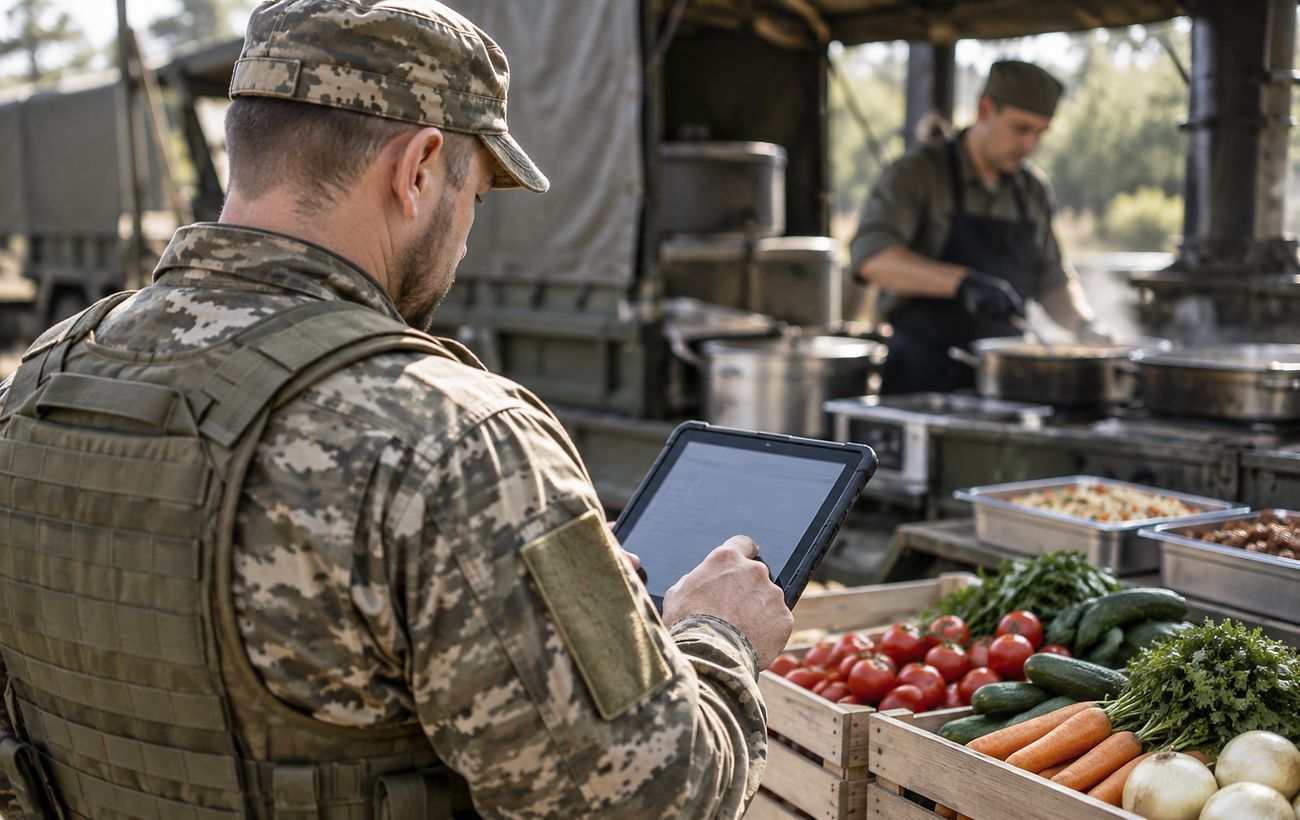
Providing food supplies to the Ukrainian military remains a core element of the country's defense capabilities. The nutrition system within the Armed Forces of Ukraine and the State Special Transport Service adapts to various service conditions, ranging from rear training centers to frontline positions. Overall, meals are state-funded and guaranteed to every defender regardless of their deployment location.
Digitalization of Processes and New Procurement Rules
The procurement of food, dry rations, and food-service property is managed by the State Logistics Operator (DOT Procurement Agency). The agency announces tenders and signs contracts with suppliers. A major step toward transparency has been the introduction of the specialized digital system DOT-Chain Food, which fully digitizes document flow—covering the entire process from a military unit's initial request to delivery confirmation and reporting.
Meanwhile, the general food catalog includes around 360 items that account not only for caloric value but also for the specific needs of service members. The assortment features products compliant with halal and kosher requirements, as well as vegetarian options. Requirements are shaped by the General Staff and the Ministry of Defense, while the direct organization of daily menus on the ground is overseen by unit commanders and food service chiefs.
Rations Based on Combat Missions
The feeding format directly depends on the operational situation. At permanent deployment points and in rear areas, fighters receive hot meals with three or four meals a day. In more complex conditions or on the frontline, field kitchens utilizing long-shelf-life products or special dry rations are used. Additionally, frontline troops are provided with high-calorie alternative dry rations containing food heaters and water purification agents.
Source RBC-Ukraine — rbc.ua/ukr/news/harchuvannya-zsu-po-novomu-chim-goduyut-viyskovih-1… ↗
Read next
 🛡️Security
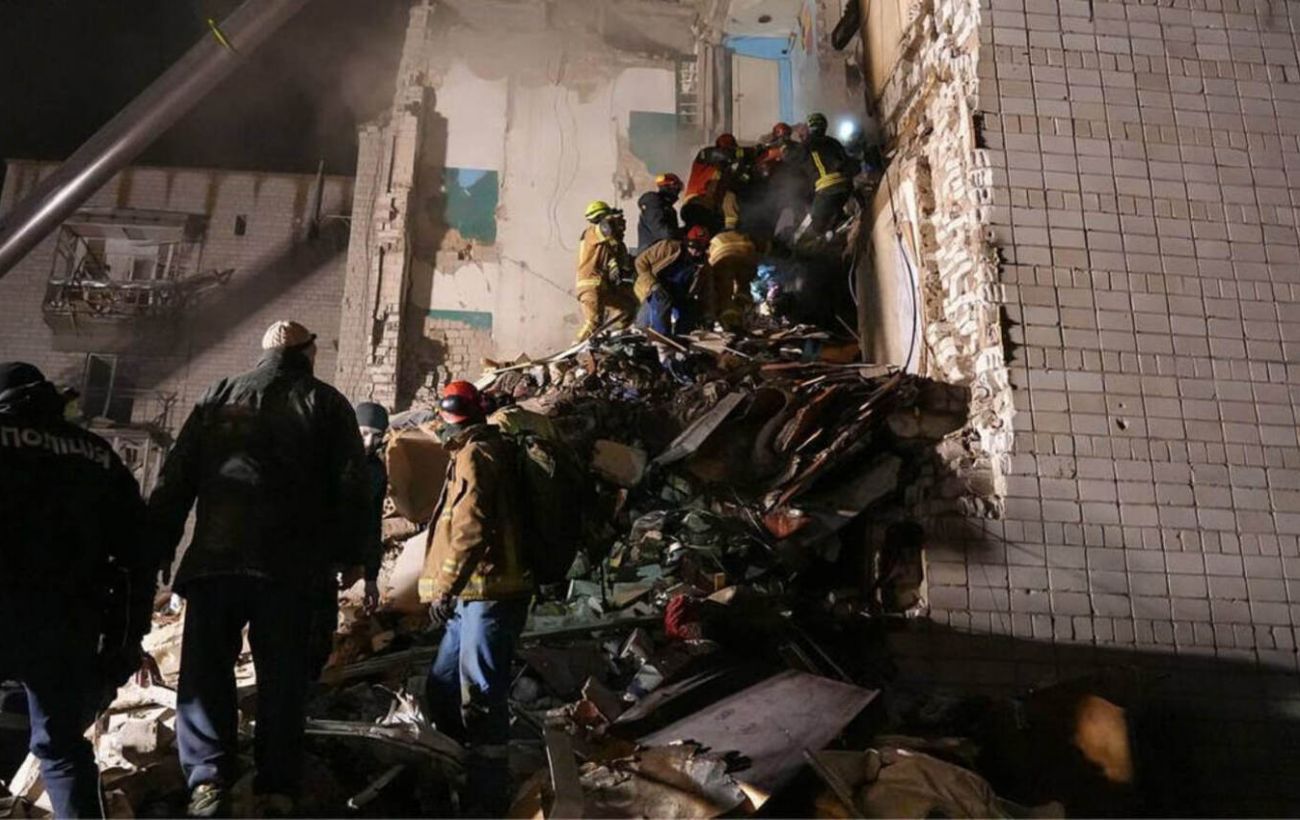
Death toll rises to six following drone strike in Dymer
Rescue teams have recovered another body from the rubble of a residential building hit by a drone in the Kyiv region.
 🏛️Politics
British Minister Hamish Falconer harshly criticizes Putin's policy
UK Minister Hamish Falconer has openly condemned the actions of the Russian leadership and distanced himself from rhetoric regarding friendship with the Kremlin.
 🧠AI Analysis
US Considers New Security Guarantee Model for Ukraine: Jared Kushner Reveals Details
The US administration is initiating talks on a new European security architecture, which may include security guarantees for Ukraine modeled on NATO's Article 5.
 ⚽Sport
High-scoring draw in Serie A matchday 12: Atalanta and Inter score eight goals
In a thrilling Italian league match, Atalanta and Inter drew 4-4, showcasing incredible offensive performance.
 🛡️Security
Russian airstrike on Sloviansk: casualties reported
Two civilians were killed and three others injured following a Russian aerial attack on the city of Sloviansk.
 ⚽Sport
Artem Dovbyk agrees to potential move to Valencia
Ukrainian forward Artem Dovbyk is seeking a transfer due to limited playing time in Italy.