Trump's 'Friend' Comment About Putin Defended by US Intelligence Director
US Director of National Intelligence Jay Clayton has defended Donald Trump following criticism over the president calling Vladimir Putin his 'friend'. Clayton urged observers to focus on diplomatic achievements rather than specific wording.
 🏛️Politics
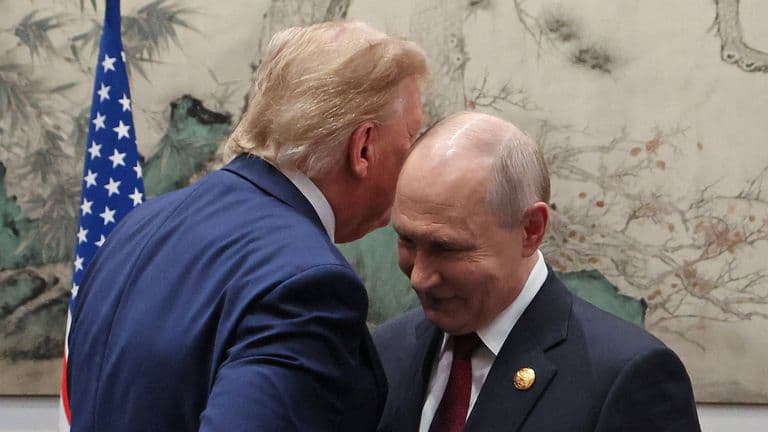
Photo: Ukrainska Pravda
Key points
- US Intelligence Director Jay Clayton defended Trump's 'friend' remarks about Putin, highlighting diplomatic outcomes.
- The comments followed an APEC summit meeting in China involving the US, China, and Russia on nuclear arsenal reductions.
- Clayton emphasized that Putin remains no friend of the US regarding Ukraine, despite diplomatic efforts.
US Director of National Intelligence Jay Clayton has publicly defended Donald Trump amid a backlash over the president posting a photo with Russian leader Vladimir Putin alongside the caption 'my friend'. According to the intelligence chief, concrete diplomatic outcomes matter far more than the specific vocabulary chosen by the US president.
Trilateral Summit and International Backlash
The controversy unfolded following the Asia-Pacific Economic Cooperation summit held in China, where the leaders of the United States, China, and Russia convened to discuss potential reductions in their nuclear arsenals. While greeting the Russian leader at the meeting, Trump pointed to Putin and referred to him as his friend, later publishing the photo online.
The gesture drew prompt criticism from international officials, including leaders in Poland and Democrats in the US Congress. Addressing reporters at a White House briefing on Friday, Trump declined to walk back his comments, pointing to his 'very good' personal relationship with Putin while sidestepping questions on whether the Russian president is a friend to the United States as a nation.
National Intelligence Perspective
Addressing the criticism, Clayton emphasized the importance of the trilateral dialogue among the three major nuclear powers. He argued that bringing the leaders of these nations to the table and securing an agreement to maintain communication and prevent escalation represents a major diplomatic achievement.
"To bring three nuclear powers together and get their agreement that they will not escalate conflict, that they will maintain dialogue, is a historic event," Clayton stated.
At the same time, the intelligence director drew a clear line between high-level diplomatic dialogue and geopolitical realities, noting that Putin is certainly not a friend of America regarding the war in Ukraine. Trump also mentioned that the Russian leader expressed a desire to resolve the war through diplomatic channels, acknowledging the ongoing difficulties facing Russia.
Source Ukrainska Pravda — pravda.com.ua/news/2026/11/22/8064091/ ↗
Read next
 🏙️City
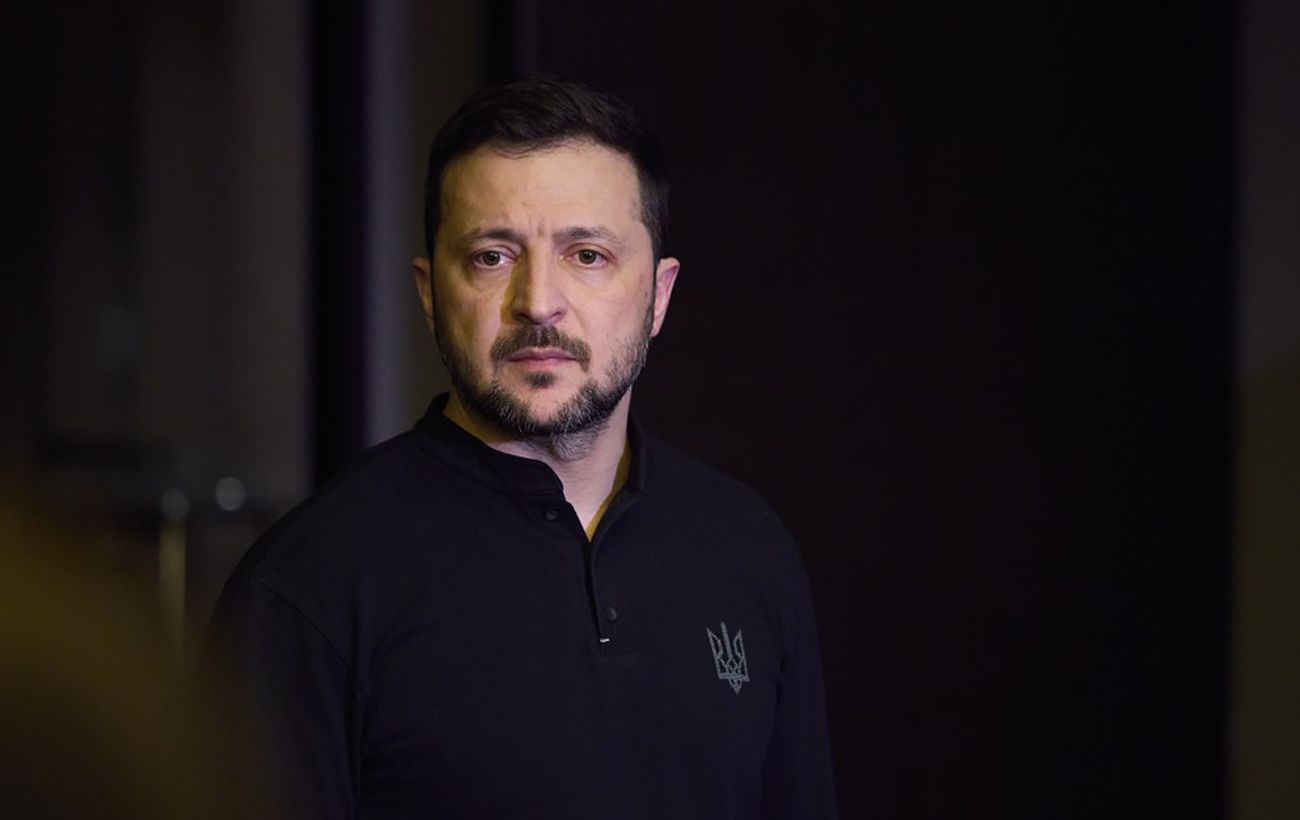
New Russian Attack Tactics: Energy Situation in Poltava and Ukraine
President Volodymyr Zelenskyy announced a shift in enemy tactics targeting power grids, affecting the energy situation in the Poltava region.
 🚨Events
Fatal border crossing: Ukrainian national found dead in snow-covered Romanian mountains
During a search and rescue operation in the Romanian mountains of Maramureș, the body of a Ukrainian citizen was discovered. Two other men were successfully rescued by lo…
 🎭Culture & Sport
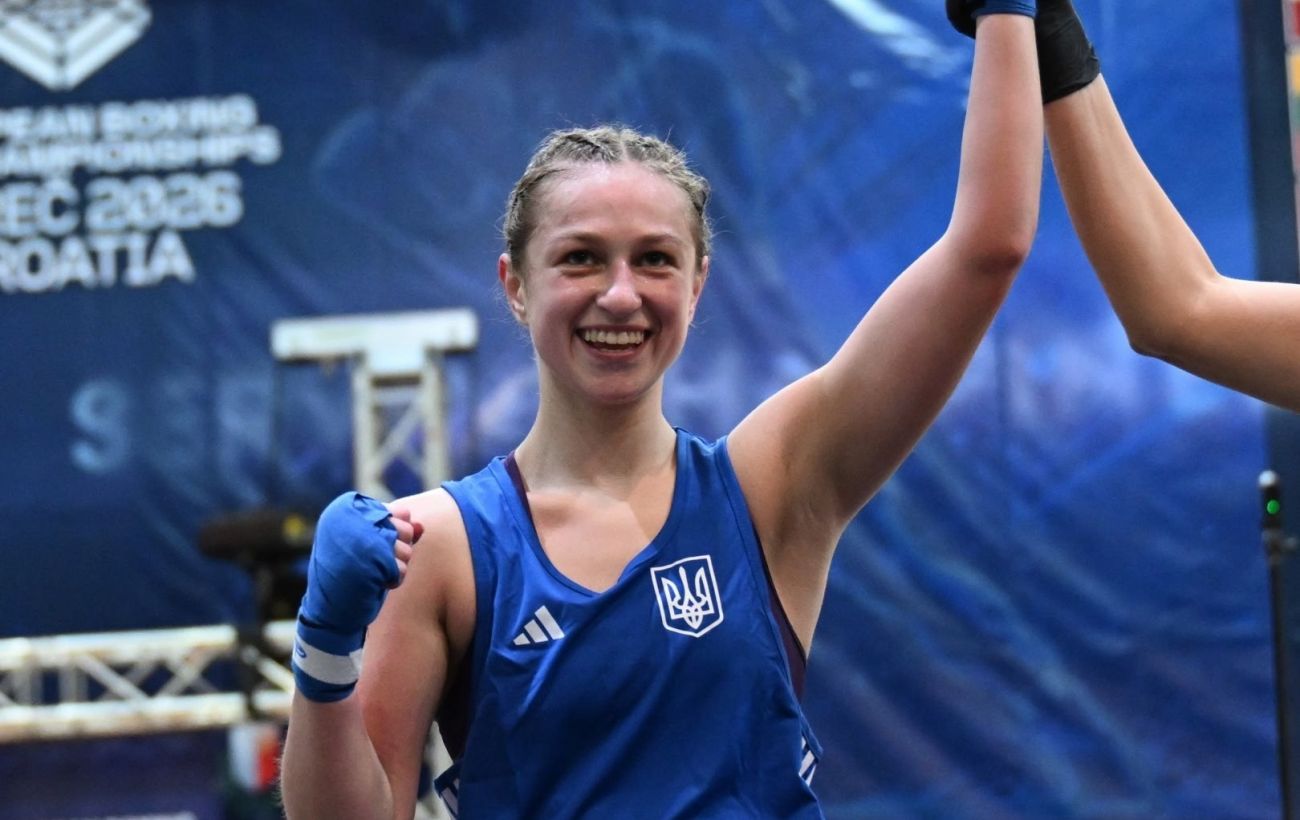
Ukrainian boxer Sofiia Turbinina wins bronze medal at U23 European Championships in Croatia
Sports enthusiasts continue to follow international competitions featuring top Ukrainian athletes. Representative of the national team Sofiia Turbinina has earned a bronz…
 💼Economy
Finland Plans to Recover Over 25 Billion Euros from Russia and Gazprom Through Arbitration
Finnish enforcement authorities are reviewing unprecedented claims to recover multibillion-euro compensations from Russia and Gazprom.
 💼Economy
Labor Shortage: High-Paying Jobs in Ukraine Face Severe Staffing Deficit
The labor market continues to face an acute shortage of blue-collar and technical professionals. Even job offers exceeding 60,000 hryvnias do not guarantee quick hiring.
 🎭Culture & Sport
Why robins 'befriend' gardeners: ornithologists explain
Robins often follow people working in the garden, but this behavior is driven by pragmatic food-seeking instincts rather than affection.