Deepening Cooperation Between Russia, China, Iran, and North Korea: The Economist Analysis
Authoritarian regimes are forming a tight network of interaction, challenging global security and Western democracies.
 🏛️Politics
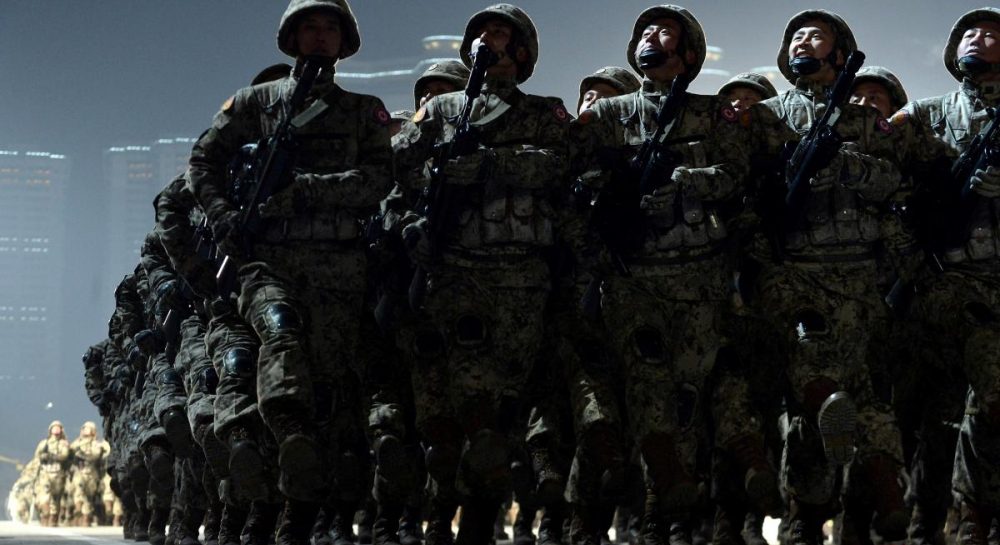
Photo: UNIAN
Key points
- Formation of an informal alliance of four states
- Over 600 instances of security cooperation in 6 years
- Lack of unified command despite high coordination
- Impact on global stability and U.S. strategy
A New Geopolitical Reality
The Economist has published an analysis suggesting that Russia, China, Iran, and North Korea are increasingly coordinating their actions. While there is no formal military alliance like NATO, the level of cooperation in defense, technology exchange, and intelligence has reached critical levels.
According to the FDD think tank, over 600 instances of security cooperation between these nations were recorded between 2019 and 2025. These processes intensified significantly following Russia's full-scale invasion of Ukraine, as joint efforts became a tool for circumventing international sanctions.
Challenges to the Global Order
Experts emphasize that despite the lack of unified command, mutual support makes these regimes significantly more dangerous. At the same time, internal contradictions exist: for instance, China seeks stability in energy markets, whereas Russia benefits from global turbulence.
Against this backdrop, changes in U.S. internal security policy are occurring, including restrictions on informal military contacts. The new U.S. administration's policy, focused on personal diplomacy with these leaders, sparks debate regarding the effectiveness of future containment strategies.
Source UNIAN — unian.ua/world/rosiya-knr-iran-ta-pivnichna-koreya-stvorili-neforma… ↗
Read next
 👥Society
Autumn Rose Care: Expert Advice for Poltava Gardeners
Experts explain why it is essential to wait for stable frosts before pruning roses to ensure their winter survival.
 🛡️Security
Rescue operation in Dymer: 89-year-old woman pulled from rubble of destroyed building
Search and rescue operations continue in the Kyiv region following a drone strike on a residential building. The death toll has risen to nine.
 🛡️Security
Russian corvette 'Mercury' reportedly hit by Ukrainian drones in Libya
An explosion and fire occurred on a Russian warship in Benghazi, potentially caused by a maritime drone strike.
 🚌Transport
Russia tests NATO defense algorithms through airspace violations, says Dmytro Kashchenko
Retired Ukrainian Colonel Dmytro Kashchenko stated that Russian missile and drone incursions into NATO territory are strategic tests of the Alliance's readiness.
 🏙️City
Global Warming and Permafrost: Scientists Revive Ancient Bacteria
Researchers from the University of Colorado discovered that bacteria dormant for 40,000 years can regain activity as temperatures rise.
 👥Society
Ukrainian man grows record-breaking 350-kilogram pumpkin
A resident of the Cherkasy region grew a 350 kg giant pumpkin on his plot and distributed it for free to the local community.