Fusion reactors in orbit: scientists propose a new way to power space exploration
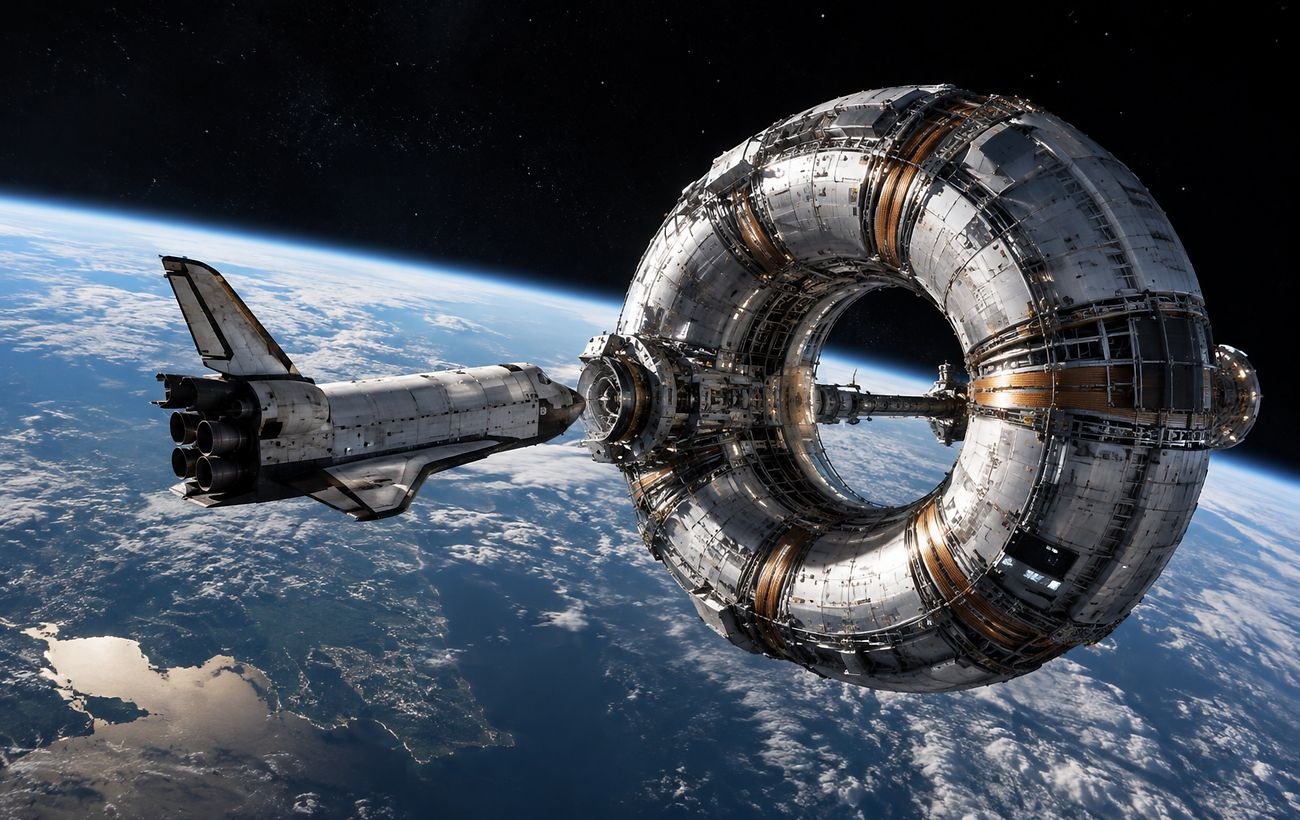
Researchers are exploring the possibility of placing fusion reactors in space to power future missions, potentially revolutionizing energy production beyond Earth.
 💡Tech
Photo: RBC-Ukraine
Key points
- Scientists propose placing fusion reactors in orbit.
- Space environments enhance reactor performance due to microgravity.
- A 1 GW project could provide power for large-scale space facilities.
Prospects for fusion energy in space
The scientific community is actively discussing the concept of deploying fusion reactors into Earth's orbit. According to a study published in ResearchGate, placing tokamaks in space could solve energy supply issues for long-term missions where solar panels become less effective.
Physicist Yang Bae from the Spacefaring Research Institute highlights several advantages of this approach. Microgravity reduces mechanical stress on structures, while the lack of atmospheric pressure allows for lighter vacuum chambers. Furthermore, the vacuum of space simplifies cooling systems, enabling heat dissipation through specialized panels.
Technological challenges and future plans
While the projects are currently theoretical, preliminary plans are already being drafted. One proposal involves building a 1-gigawatt tokamak. Such a facility could supply power not only to space bases but also to industrial sites or orbital data centers.
- Utilizing magnetic fields to contain plasma.
- Implementing laser systems to initiate fusion reactions.
- Replacing fission reactors with safer fusion technology.
Source RBC-Ukraine — rbc.ua/ukr/news/termoyaderni-reaktori-hochut-vidpraviti-kosmos-1795… ↗
Read next
 💼Economy
Debt crisis in the energy sector: balancing market arrears reach 38.5 billion UAH
Over the past 18 months, Ukrenergo's debts to market participants have doubled, threatening the stability of the energy system.
 🛡️Security
Kremlin’s Renewed Nuclear Blackmail: Dmitry Medvedev Threatens Preventive Strike
Deputy Chairman of the Russian Security Council Dmitry Medvedev has resorted once again to nuclear intimidation rhetoric, outlining conditions for the potential use of we…
 🏛️Politics
SAPO Prosecutor Praises NABU Media Team Amid Criticism Over Evidence Quality
During a discussion on investigative methods, SAPO prosecutor Rostyslav Batykh commented on NABU's media strategy, praising the professionalism of their video editors.
 🇺🇦Ukraine
NATO Secretary General Mark Rutte rejects Russian demands for 1997 borders
NATO Secretary General Mark Rutte has dismissed Russian proposals to overhaul European security as unacceptable.
 🛡️Security
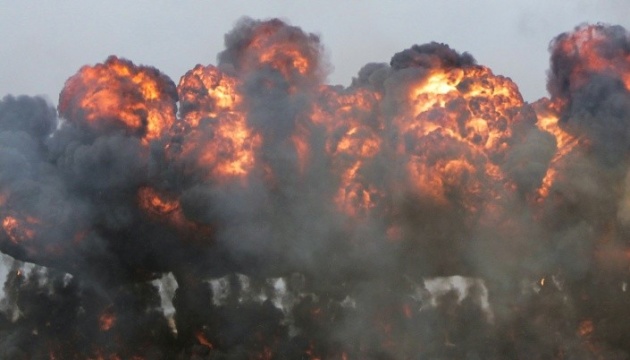
Large-scale fire breaks out at Lukoil refinery in Russia following drone attack
A fire has been reported at the Lukoil-Permnefteorgsintez refinery in the Perm region of Russia following reports of a drone strike.
 🚌Transport
Worsening Weather in Poltava Region: Police Urge Caution on Roads
Heavy rain with sleet and gusty winds on November 23 have significantly complicated driving conditions across the region.