Anatomy of Genocide: How Raphael Lemkin’s Insights Explain Historical and Modern Challenges
An exploration of Raphael Lemkin's analysis of the Soviet genocide in Ukraine and its enduring parallels today.
 🏙️City
Photo: Ukrainska Pravda
Key points
- Raphael Lemkin identified Soviet policies in Ukraine as a classic case of genocide targeting national identity.
- The distinction between ethnicity and political nationhood explains imperial strategies of oppression.
- Historical analysis provides crucial context for understanding ongoing modern challenges faced by Ukrainians.
Reflecting on the legacy of the Holodomor of 1932–1933, the works of Raphael Lemkin offer profound insights into the nature of totalitarian oppression. In 1953, the legal scholar who coined the term "genocide" described Soviet policies in Ukraine as a systematic campaign aimed at destroying the Ukrainian nation's aspirations for independence and self-governance.
Distinguishing Ethnicity from Nationhood
Lemkin emphasized a crucial distinction between ethnic and national groups. He noted that colonizers might tolerate superficial elements of folklore or language while simultaneously seeking to eradicate political self-awareness. The objective was to strip Ukrainians of their right to exist as a distinct political entity capable of statehood, without necessarily deploying immediate, indiscriminate mass killings across the entire population.
For the residents of Poltava and the broader community, these historical assessments carry deep significance. The region suffered immensely during the man-made famine, and recognizing the systemic logic of past repressions helps modern citizens comprehend the continuity of imperial aggression aimed at erasing Ukrainian statehood.
Ultimately, revisiting Lemkin’s perspectives reinforces the importance of preserving historical memory and national identity as fundamental pillars of resilience in the face of ongoing existential threats.
Source Ukrainska Pravda — pravda.com.ua/columns/2026/11/28/8064918/ ↗
Read next
 💡Tech
Solipsism Browser: A New Android Alternative Focused on Privacy
A new browser called Solipsism has emerged, offering a unique interface and advanced privacy tools, bypassing the Google Play Store.
 🇺🇦Ukraine
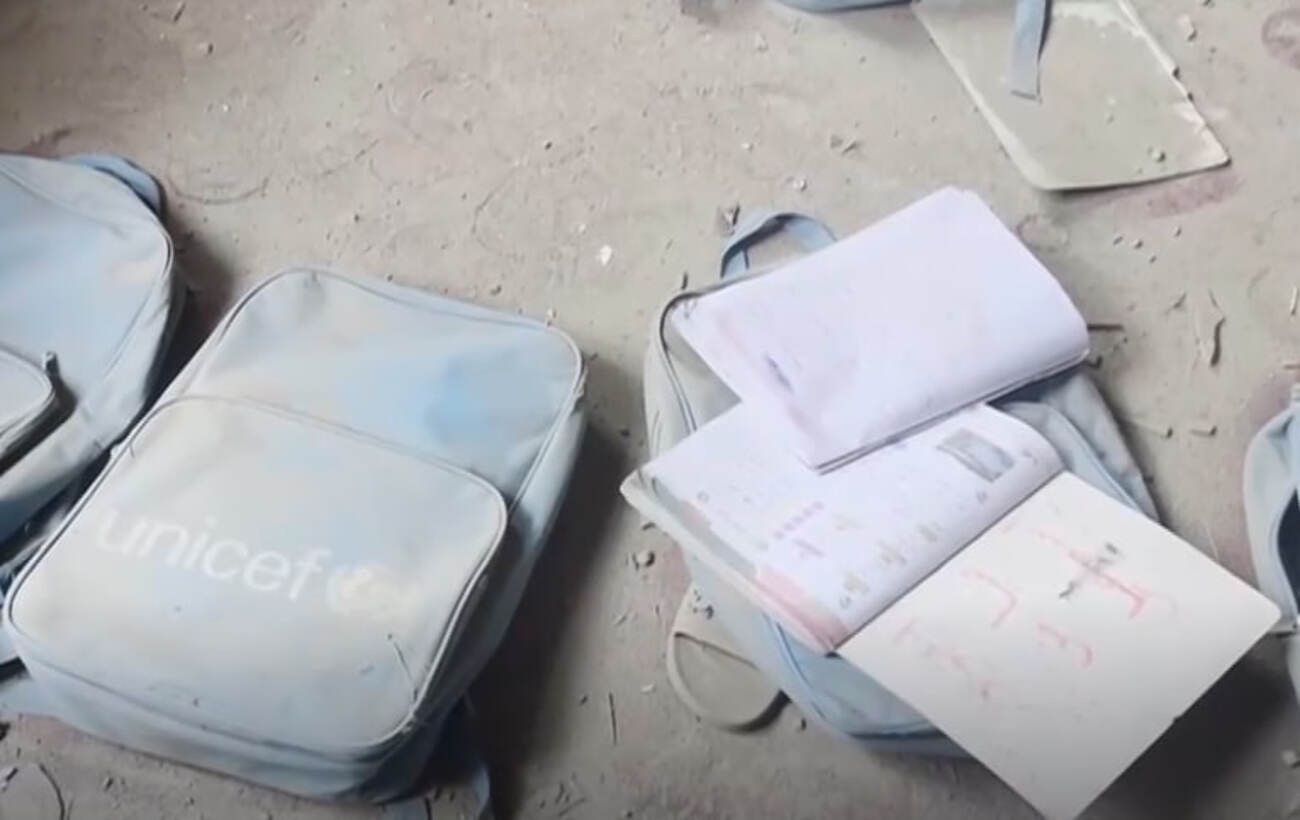
Tragedy in Afghanistan: School Explosion Results in Multiple Casualties
In Kunar province, an explosion at a school left 10 people dead, mostly children. The likely cause is identified as negligent storage of explosive materials nearby.
 🛡️Security
Army financing: why there is a shortage of funds for military payments
Experts explain the lack of funds for military salaries by delays in international aid and the need for urgent weapons purchases from the state budget.
 🛡️Security
23 more Ukrainians return from occupation: stories of rescuing vulnerable groups
The Ukrainian Parliament Commissioner for Human Rights, Dmytro Lubinets, announced the successful return of 23 citizens from temporarily occupied territories.
 🧠AI Analysis
Climate Change: Lightning strikes could double by 2100
Scientists predict a significant increase in the frequency of lightning strikes due to global warming, posing new risks to infrastructure and forests.
 🛡️Security
Night attack on Odesa: residential building damaged, casualties reported
Russian forces launched a drone strike on Odesa on the night of November 29, hitting a residential high-rise. Emergency services and an operational headquarters are provi…