Economic Blow: How the Loss of Metallurgical Capacity and Infrastructure Crisis Impact All of Ukraine
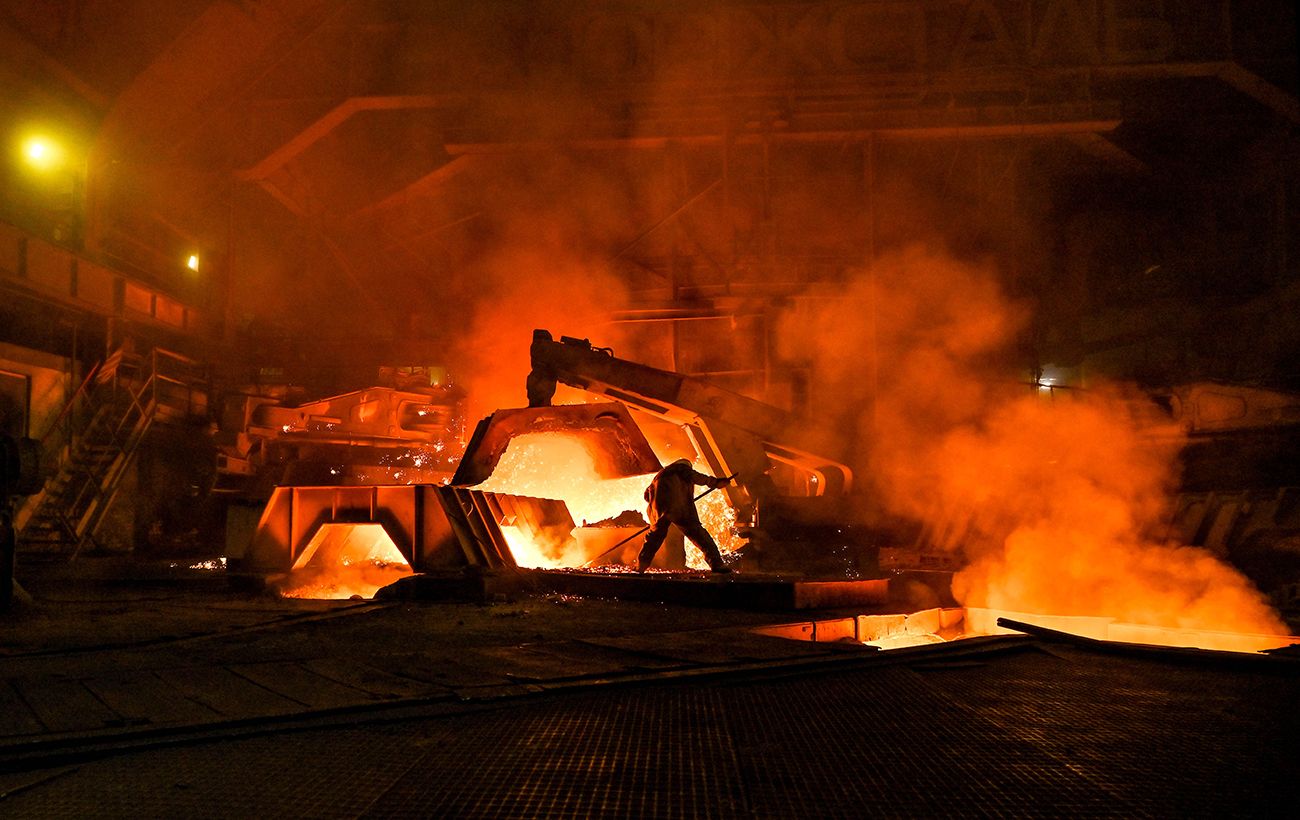
Systemic hostile attacks on Ukraine's energy sector, industry, and transport have triggered a deep economic crisis. Metallurgy has lost a significant share of its capacity, while overall foreign trade and GDP figures show a decline.
 💼Economy
Photo: RBC-Ukraine
Key points
- Almost every fifth large company reported a net loss
- The metallurgical sector suffered a catastrophic production contraction due to furnace strikes
- Ukraine's foreign trade deficit hit record levels
- Country's GDP growth forecasts revised downward
Systemic attacks on key sectors of the Ukrainian economy—metallurgy, energy, and transport infrastructure—are turning into a large-scale crisis affecting the entire country. Following the results of the first three quarters of the current year, almost every fifth large Ukrainian company closed the reporting period with financial losses. Heavy industry enterprises and strategic state monopolies that faced the most intense strikes suffered the greatest losses.
Crisis in the Steel Industry and Logistics
The most difficult situation has developed in the steel sector, where missile strikes on blast furnaces left a significant portion of capacity idle. In particular, ArcelorMittal Kryvyi Rih recorded the largest losses among enterprises and switched to a conservation mode, while Metinvest is gradually restoring the operation of damaged plants following massive ballistic missile shelling. The reduction in metal production has caused a shortage of rolled products on the domestic market for the construction sector.
Concurrently, transport logistics indicators are worsening. Freight rail transportation has decreased due to a shortage of rolling stock and locomotives. All of this directly impacts foreign trade: goods exports are falling, and the trade deficit is reaching record highs. The government has already been forced to revise macroeconomic forecasts downward regarding GDP and export revenues.
Impact on Regional Communities and the State Budget
“The crisis in Ukraine's metallurgy is ceasing to be a problem of a single sector and is turning into a systemic threat to state and local finances,” note market analysts and experts.
For residents of Ukrainian cities and communities, especially industrial regions, such trends mean reduced revenues for local budgets, lower tax deductions, and risks to jobs. The diminished financial stability of key tax-paying enterprises narrows the scope for financing social programs and supporting local infrastructure. At the same time, the state faces a budget revenue deficit, which requires securing additional external financing to cover basic expenditures.
Source RBC-Ukraine — rbc.ua/ukr/news/metalurgiya-vtratila-90-potuzhnostey-k-rosiyski-179… ↗
Read next
 🇺🇦Ukraine
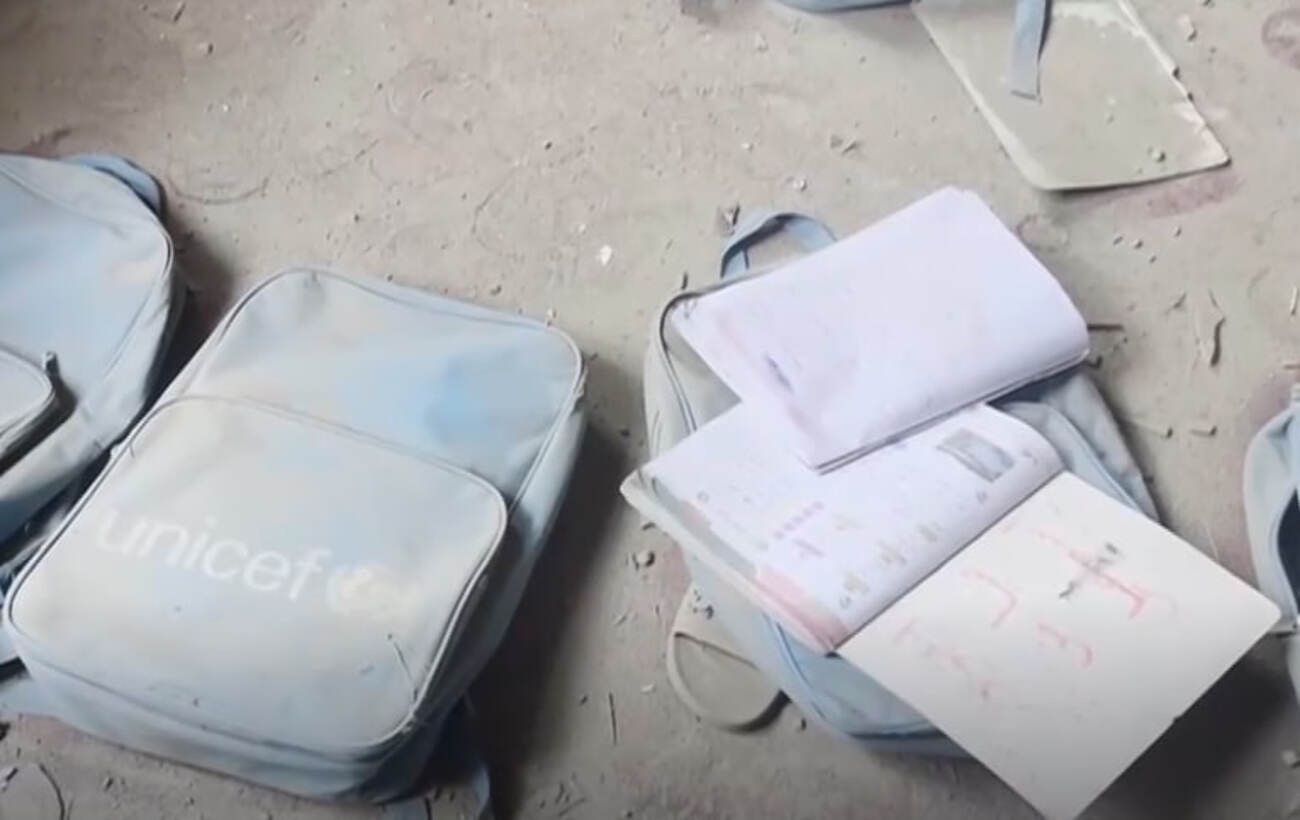
Tragedy in Afghanistan: School Explosion Results in Multiple Casualties
In Kunar province, an explosion at a school left 10 people dead, mostly children. The likely cause is identified as negligent storage of explosive materials nearby.
 🛡️Security
Army financing: why there is a shortage of funds for military payments
Experts explain the lack of funds for military salaries by delays in international aid and the need for urgent weapons purchases from the state budget.
 🧠AI Analysis
Climate Change: Lightning strikes could double by 2100
Scientists predict a significant increase in the frequency of lightning strikes due to global warming, posing new risks to infrastructure and forests.
 🛡️Security
Night attack on Odesa: residential building damaged, casualties reported
Russian forces launched a drone strike on Odesa on the night of November 29, hitting a residential high-rise. Emergency services and an operational headquarters are provi…
 🛡️Security
Night attack on Odesa: residential building damaged, casualties reported
Russian forces struck Odesa on the night of November 29, damaging a high-rise residential building. Emergency services and an operational assistance headquarters are work…
 🛡️Security
Nighttime UAV Attack on Odesa: Residential Building Damaged
On the night of November 29, Russian forces launched a drone attack on Odesa. The strike resulted in damage to a residential building.