Dangerous Confidence: Why Digital Literacy Has Become a Challenge for Poltava Residents
Experts emphasize growing online fraud risks due to the overestimation of digital skills. Modern technologies and artificial intelligence require users to continuously learn and apply critical thinking.
 🎓Education
Photo: RBC-Ukraine
Key points
- Over 50% of people do not learn digital skills because they believe they already know everything.
- 67% of users faced data security issues during the year.
- More than 80% of social engineering attacks use artificial intelligence.
Modern daily life is impossible to imagine without the internet, banking apps, work emails, and messengers. Residents of Poltava perform dozens of digital operations automatically every day, trusting links from acquaintances or messages in social media. However, experts warn that the habit of acting thoughtlessly makes users most vulnerable to malicious attacks.
The Illusion of Security and New Technological Challenges
According to digital literacy studies, more than half of respondents who see no need for further training explain it simply: 'I already know how to do everything.' At the same time, about 67% of users have faced online threats within a year, such as phishing, fake websites, or hacked friend accounts. Meanwhile, every fourth person takes no security measures at all, and only a third feel safe online.
The situation is complicated by the rapid development of technology. According to European cybersecurity agencies, the majority of social engineering attempts already use artificial intelligence. Fraudsters are capable of generating convincing texts, faking the voices of close relatives, or sending malicious links from hacked contacts. Over 40% of Ukrainians use AI, but many rely on generated advice without verifying facts.
How to Protect Yourself in the Digital Space
The key skill today is the ability to doubt one's own awareness in time. Projects by the Ministry of Digital Transformation, in particular educational series on the 'Diia.Education' platform, are designed to help Ukrainians improve cybersecurity levels. For Poltava residents, this is a reminder that verifying information, using two-factor authentication, and maintaining a critical attitude toward any requests for money transfers online are basic necessities for protecting personal data.
Source RBC-Ukraine — rbc.ua/ukr/news/naynebezpechnishe-interneti-upevnenist-shcho-179515… ↗
Read next
 🏙️City
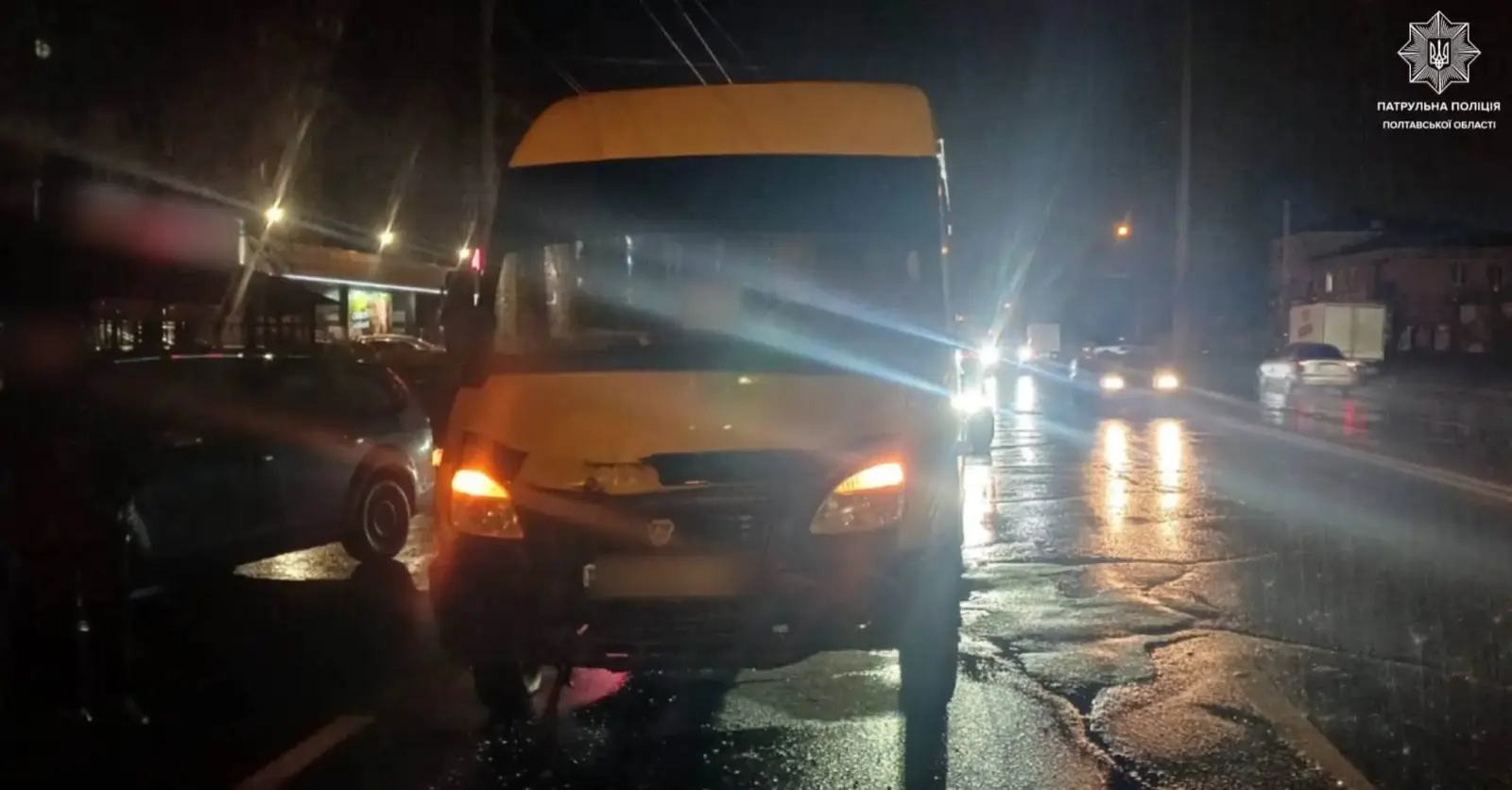
Triple Car Crash Involving Minibus in Poltava: Police Issue Citation to Driver
A traffic collision involving a 'RUTA' city minibus and two passenger cars occurred on Zinkivska Street in Poltava. No serious injuries were reported, though all vehicles…
 🚌Transport
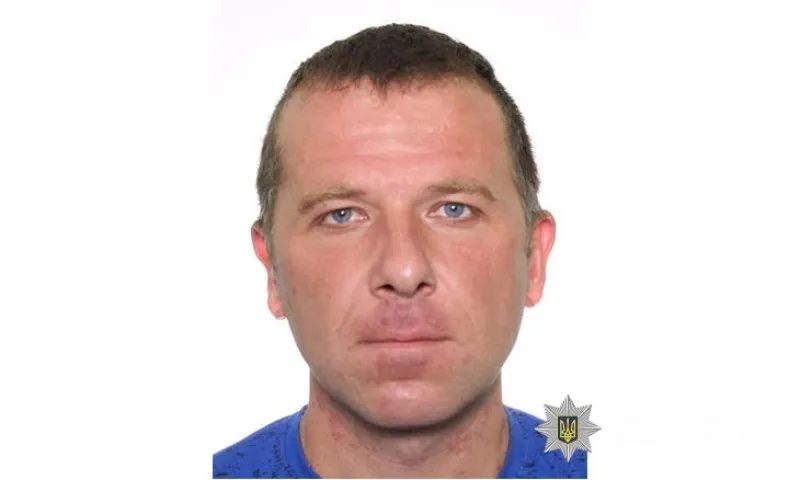
Police in Poltava Region Search for Missing 40-Year-Old Man
Law enforcement agencies in Myrhorod district are asking the public for assistance in locating Serhii Semenko, who has lost contact.
 🚌Transport
The Philosophy of Repair: Why Ukrainian Cities Must Focus on Daily Maintenance
Current realities require local communities to focus not on grandiose plans, but on the daily, often invisible work of fixing infrastructure.
 🏙️City
Theatrical tours abroad: challenges of European tours for Ukrainian artists
Producer Serhii Chudaiev shared insights on organizing Ukrainian theatrical performances in Europe, audience emotions, and logistical difficulties.
 🏙️City
Testimony by SBU General: Expert Calls for NABU Director to Report to Parliament
NABU Director Semen Kryvonos must address questions from the Parliamentary Temporary Investigative Commission following statements by SBU General Serhiy Duka, according t…
 🚌Transport
Poltava Drivers Urged to Check Cars for Stray Animals Seeking Warmth in Winter
With the onset of cold weather in Poltava, drivers are reminded to check their vehicles for stray animals sheltering under hoods and near wheels.