Winter by folk signs: why ancient forecasts differ from modern meteorology
A comparison of ancient meteorological signs and modern scientific forecasts reveals significant discrepancies in expectations for the upcoming winter.
 👥Society
Photo: UNIAN
Key points
- The 1851 Hungarian 'Centennial Forecaster' predicted a cold winter.
- Modern meteorologists expect mild weather with precipitation due to El Niño.
- Most ancient signs have low statistical accuracy.
Ahead of the winter season, farmers and local residents traditionally pay attention not only to official forecasts but also to folk signs. In particular, researchers are focusing on a Hungarian collection published in 1851 called the 'Centennial Forecaster,' which is based on astrological cycles and observations from past centuries. According to this archaic source, the period under the influence of Mercury was supposed to bring extremely dry and cold months, which could pose a serious challenge to agriculture due to soil moisture deficits.
Why ancient forecasts often fail
However, experts advise treating such historical indicators with skepticism. Statistical analysis shows that a significant portion of ancient signs works only at the level of randomness, although certain dates still demonstrate some consistency. For example, the absence of frosts in mid-November, according to traditional beliefs, rules out the likelihood of prolonged and severe cold in the near future.
At the same time, modern meteorological services rely on complex climate models rather than century-old calendar cycles. Due to global atmospheric processes, such as the El Niño phenomenon, climatologists predict a completely different scenario — mild weather with plenty of precipitation, which differs significantly from the apocalyptic warnings of ancient authors.
'90% of ancient rules work only at the level of randomness,' note specialized experts while analyzing the accuracy of historical meteorological collections.
For residents of the Poltava region, such meteorological discussions are mostly of cognitive interest. Modern farmers and municipal services in the city rely on data from Ukrainian meteorologists and local observation stations that take current climate changes into account, rather than medieval or European archaic calendars. This allows for more accurate planning of the heating season and municipal operations.
Source UNIAN — unian.ua/pogoda/news/zima-2026-2027-chi-bude-vona-holodnoyu-i-suhoy… ↗
Read next
 🏙️City
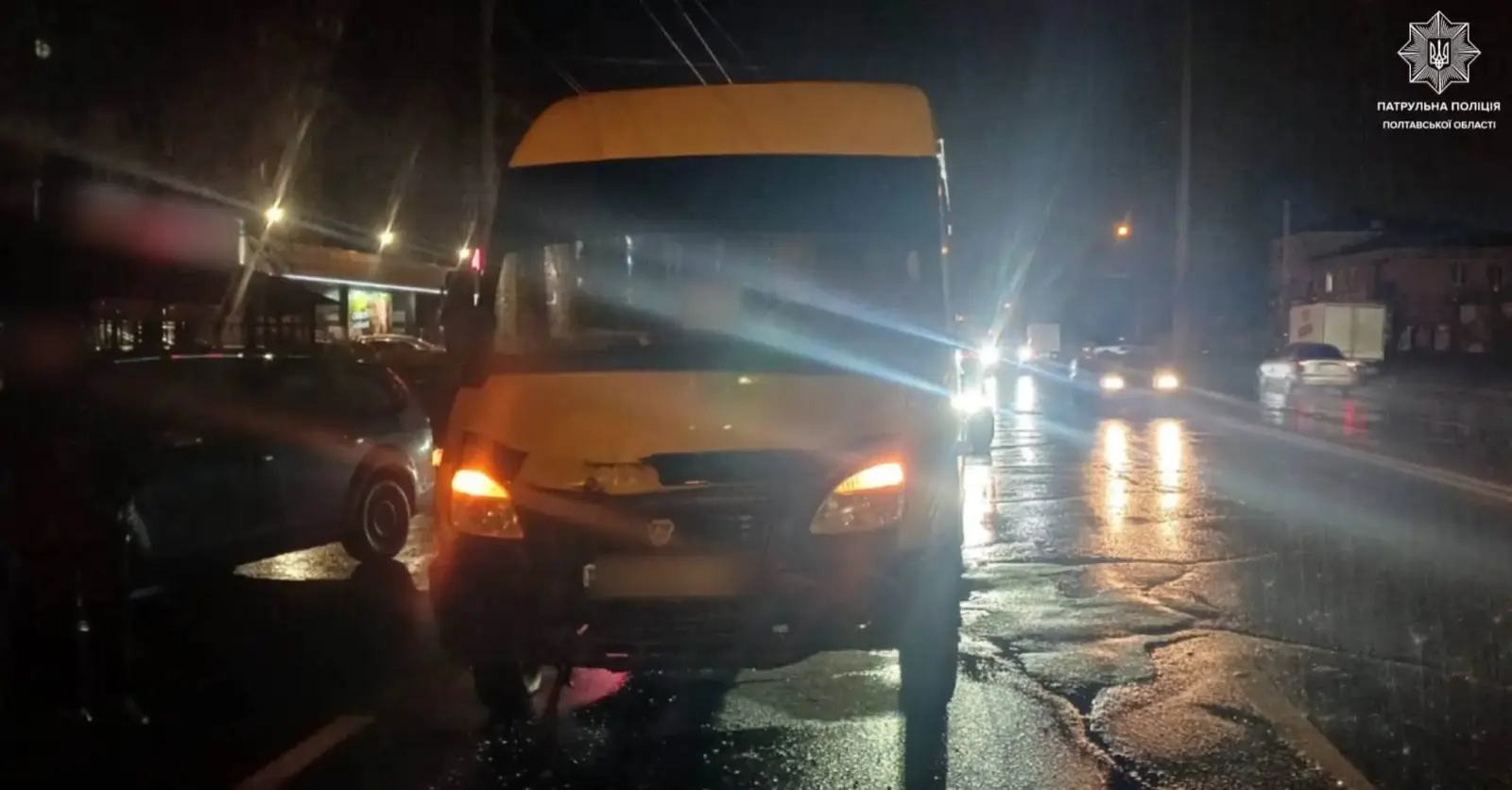
Triple Car Crash Involving Minibus in Poltava: Police Issue Citation to Driver
A traffic collision involving a 'RUTA' city minibus and two passenger cars occurred on Zinkivska Street in Poltava. No serious injuries were reported, though all vehicles…
 🚌Transport
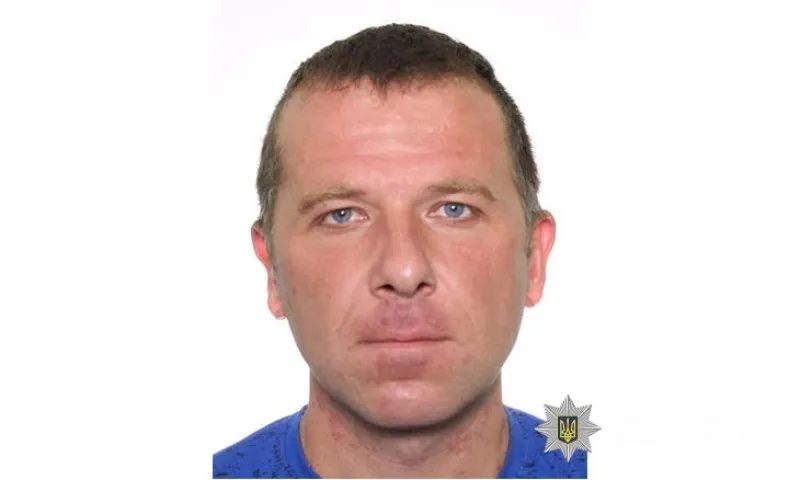
Police in Poltava Region Search for Missing 40-Year-Old Man
Law enforcement agencies in Myrhorod district are asking the public for assistance in locating Serhii Semenko, who has lost contact.
 🚌Transport
The Philosophy of Repair: Why Ukrainian Cities Must Focus on Daily Maintenance
Current realities require local communities to focus not on grandiose plans, but on the daily, often invisible work of fixing infrastructure.
 🏙️City
Theatrical tours abroad: challenges of European tours for Ukrainian artists
Producer Serhii Chudaiev shared insights on organizing Ukrainian theatrical performances in Europe, audience emotions, and logistical difficulties.
 🏙️City
Testimony by SBU General: Expert Calls for NABU Director to Report to Parliament
NABU Director Semen Kryvonos must address questions from the Parliamentary Temporary Investigative Commission following statements by SBU General Serhiy Duka, according t…
 🚌Transport
Poltava Drivers Urged to Check Cars for Stray Animals Seeking Warmth in Winter
With the onset of cold weather in Poltava, drivers are reminded to check their vehicles for stray animals sheltering under hoods and near wheels.