British Army upgrades AWL acoustic detection system based on lessons from the war in Ukraine
The British military is updating its tactical use of Acoustic Weapon Locator systems, drawing on over 30,000 hours of operational experience on the Ukrainian front.
 💡Tech
Photo: UNIAN
Key points
- 5-year acceleration of AWL modernization
- Use of passive sensors for triangulation
- Integration of Ukraine experience into British training
Technological experience from the front
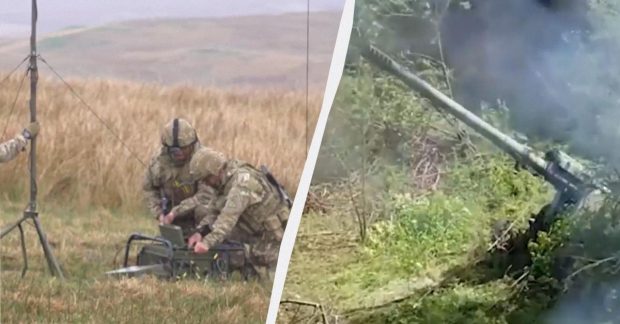
British artillerymen from the 5th Regiment Royal Artillery have begun implementing updated tactical procedures for operating Acoustic Weapon Locator (AWL) systems. The decision to accelerate the modernization was made following an analysis of the equipment's effectiveness during the Russo-Ukrainian war, where the system demonstrated high performance over 30,000 hours of operation.
Operational principles and training
The AWL system relies on passive sensors that detect sound waves from enemy artillery fire. Through triangulation, the complex can determine target coordinates at a distance of up to 25 kilometers. A significant advantage is the lack of signal emission, which makes it difficult for the enemy to detect the sensors themselves.
"The AWL equipment we are using now is an improved version of the old system we previously worked on," said Warrant Officer Class 2 Kevin Osborne.
At the Otterburn training area, British troops are practicing the integration of AWL with modern artillery units, including the Swedish-made Archer systems. Thanks to the experience gained in Ukraine, the process of implementing new deployment and data analysis methods has been accelerated by five years.
Source UNIAN — unian.ua/weapons/akustichna-sistema-viyavlennya-artileriji-yak-tehn… ↗
Read next
 🇺🇦Ukraine
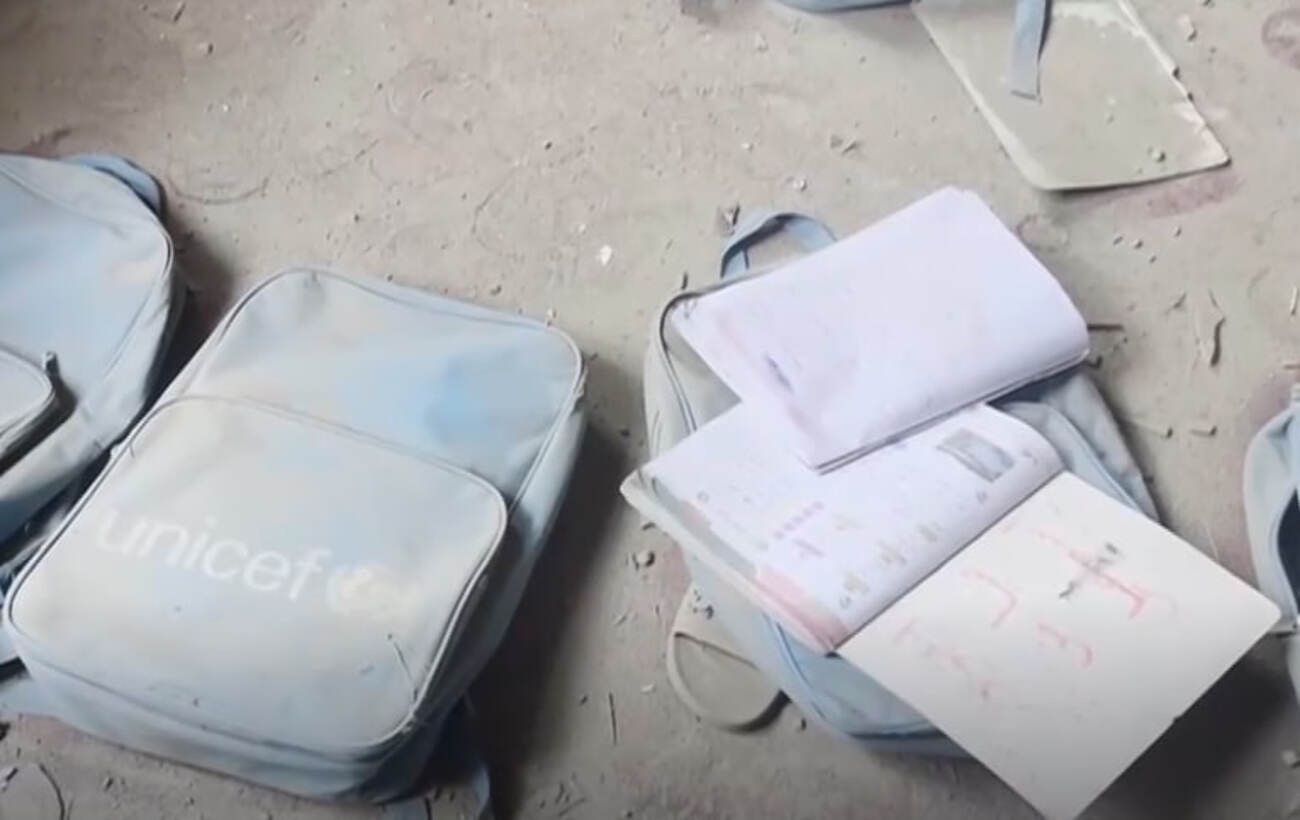
Tragedy in Afghanistan: School Explosion Results in Multiple Casualties
In Kunar province, an explosion at a school left 10 people dead, mostly children. The likely cause is identified as negligent storage of explosive materials nearby.
 🛡️Security
Army financing: why there is a shortage of funds for military payments
Experts explain the lack of funds for military salaries by delays in international aid and the need for urgent weapons purchases from the state budget.
 🛡️Security
23 more Ukrainians return from occupation: stories of rescuing vulnerable groups
The Ukrainian Parliament Commissioner for Human Rights, Dmytro Lubinets, announced the successful return of 23 citizens from temporarily occupied territories.
 🧠AI Analysis
Climate Change: Lightning strikes could double by 2100
Scientists predict a significant increase in the frequency of lightning strikes due to global warming, posing new risks to infrastructure and forests.
 🛡️Security
Night attack on Odesa: residential building damaged, casualties reported
Russian forces launched a drone strike on Odesa on the night of November 29, hitting a residential high-rise. Emergency services and an operational headquarters are provi…
 🛡️Security
Night attack on Odesa: residential building damaged, casualties reported
Russian forces struck Odesa on the night of November 29, damaging a high-rise residential building. Emergency services and an operational assistance headquarters are work…